Obasan vs Naturepedic: A Practical Comparison of Non-Toxic Organic Mattresses
Two respected names in safe sleep, Obasan and Naturepedic, offer organic mattress options with different materials and certifications. This article compares core features, certifications, and price considerations to help buyers choose a non-toxic option that fits their needs.
A landscape of safe slumber
In a world increasingly attentive to environmental health, mattresses have become a focal point for seekers of non-toxic, transparent sleep surfaces. The bed, once a mundane object, has evolved into a complex ecosystem of materials, certifications, and comparative values. Obasan and Naturepedic sit at a crossroad where artisan craftsmanship meets rigorous safety testing, each brand cultivating an identity around organic materials and cautious chemistry.
Both brands emerge from a shared impulse: to minimize chemical exposure while delivering comfort and durability. Yet their philosophies diverge in emphasis—one toward natural fiber systems with a whispered nod to luxury, the other toward a holistic approach to organic materials and certified processes designed to reduce chemical loads at every stage of production. Reading their offerings side by side provides a quiet, almost cartographic map of what non-toxic sleeping surfaces look like in practice.
Brand profiles at a glance
Obasan
Obasan has built a reputation around handcrafted, organic mattress systems that emphasize natural materials and careful sourcing. The core emphasis lies in materials such as organic cotton and natural latex, with attention to insulation, breathability, and the gentle performance of the sleep surface. Obasan’s approach often resonates with sleepers who value a warm, contouring feel without resorting to synthetic foams.
Certification and material integrity play central roles in Obasan’s narrative. The brand typically highlights organic and natural components, leaning into the story of fiber life cycles—from farm to mattress—while ensuring that the materials meet standards that matter to health-conscious consumers.
Naturepedic
Naturepedic positions itself as a pioneer in non-toxic organic sleep with a focus on comprehensive certification, including organic cotton fabrics and certified materials that minimize chemical exposure. Naturepedic’s products often blend organic textiles with carefully selected innerspring or latex components, engineered to deliver durable support while staying within strict safety guidelines.
The Naturepedic lineage frequently emphasizes transparency in materials, a robust suite of certifications, and a practical approach to adult and child sleep solutions. This reflects a broader commitment to safer interiors and a philosophy of reducing the burden of chemical additives in everyday life.
Materials and comfort: what actually matters
The essence of choosing between Obasan and Naturepedic hinges on understanding how materials translate into daily comfort and long-term safety. Natural latex, organic cotton, wool, and pocketed coil configurations each offer distinct sensory experiences. Consider the following lenses:
- Core construction: Latex cores provide responsive support with natural resilience and antimicrobial properties, while spring-based systems offer zoned support and progressive crumbly to firm feedback. Memory foams, when used in this space, are generally minimized due to synthetic content; however, some hybrids may integrate them with caution.
- Organic textiles: An organic cotton cover or a wool blanket behind a fabric layer may influence temperature regulation and moisture management. The texture and weave impact breathability, which is central to sleep quality.
- Certifications: Organic cotton, GOTS, OEKO-TEX, GREENGUARD, and other industry labels function as signposts of safety and environmental responsibility. They do not guarantee comfort alone but help buyers understand sourcing and process integrity.
- Durability and care: Longevity matters when evaluating non-toxic options. A mattress that lasts years with minimal chemical degradation reduces the need for frequent replacement, thereby limiting exposure to new off-gassing scenarios.
For readers drawn to tactile impressions, the contrast between a latex-forward surface and a more traditional wool-insulated system can be telling. Latex tends to offer buoyant support with a cooler surface, whereas wooled layers can deliver a regulated microclimate, particularly in environments with fluctuating temperatures.
Certifications that matter
Certifications function as a shared language across brands, enabling apples-to-apples comparisons. In the Obasan/Naturepedic context, several certificates frequently appear:
- GOTS (Global Organic Textile Standard): Governs organic textiles from fiber to finished product, emphasizing ecological and social criteria.
- OEKO-TEX: Aims to eliminate harmful substances across textile products, providing assurance about chemical safety for textiles used in bedding.
- CertiPUR-US: Focuses on foam materials, ensuring they are low in emissions and free from certain harmful substances.
- GREENGUARD Gold: Concentrates on low chemical emissions, contributing to better indoor air quality.
- Made Safe and similar safety labels: Signify consumer-safe materials in children's products and other domains.
The interlocking of these certifications creates a robust framework for evaluating mattresses without defaulting to marketing claims alone. When assessing a mattress, readers should examine not only the presence of certifications but also the scope—whether a label applies to fabrics, inner materials, or the entire assembly.
Price considerations and value
In the realm of organic mattresses, price often mirrors a combination of material purity, craftsmanship, and certification visibility. A typical Obasan or Naturepedic offering can span a broad range, with higher-end latex systems featuring premium natural cores and layered organic fibers, while simpler configurations may emphasize essential organic components at a more accessible price point.
Buyers should map their budget to a practical set of criteria: sleep position, allergy sensitivities, room climate, long-term maintenance costs, and any baby- or child-specific use. For households with sensitivities, investing in a higher-tier model with verified certifications frequently pays dividends in peace of mind and fewer concerns about indoor air quality over time.
In this comparison, price is not just a numeric figure but a signal of the underlying material commitments and production practices. A mattress that costs more often reflects a higher standard of organic integrity, sustained by careful supply chains and ongoing quality assurance.
Practical buying guidance
Choosing between Obasan and Naturepedic rests on aligning personal health priorities with practical constraints. Below is a concise decision framework to help readers navigate the purchase process:
- Identify your priority: Is the focus on the most conservative chemical exposure, or is a broader organic fabric system and durability more important?
- Assess your sleeping position and feel: Side sleepers may value pressure relief from a latex or plush organic system, while back/stomach sleepers may prioritize firmer zoned support.
- Check certifications for the specific model: Ensure that the product line you’re considering carries certifications that cover both outer fabrics and inner materials, where applicable.
- Consider the baby and child use cases: If the mattress is intended for a child, verify that the materials and finishes meet the stricter requirements typical for pediatric products.
- Review trial periods and warranties: A generous trial period and a reliable warranty are practical assurances when buying non-toxic sleep products.
The decision framework is not merely a shopping checklist; it is a way to anchor expectations in real-world performance, ensuring a mattress that supports healthful sleep across the lifespan.
A closer look at a representative product: available options on this site
In keeping with our non-commercial, information-first stance, here we discuss how to interpret product details when you encounter mattresses that emphasize organic materials, transparency, and safety certifications. The site’s current product catalog includes items that reflect a commitment to chemical-free construction and robust natural materials, suitable for readers exploring non-toxic sleep options.
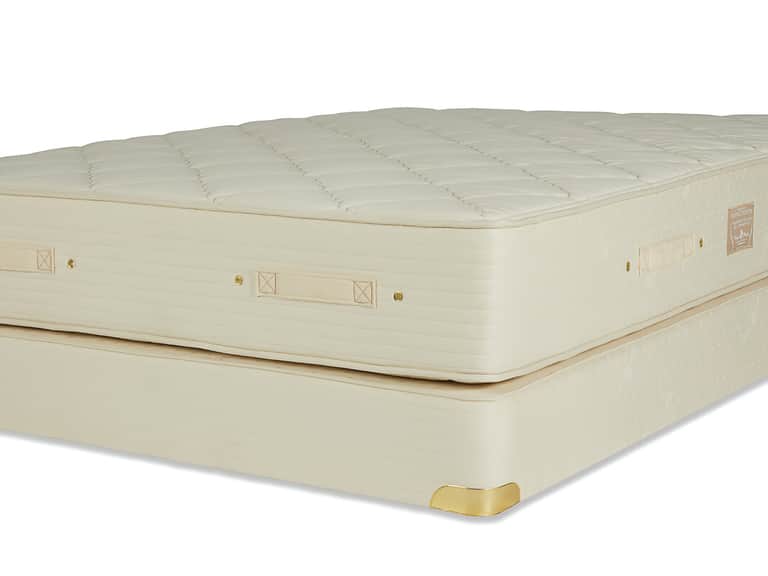
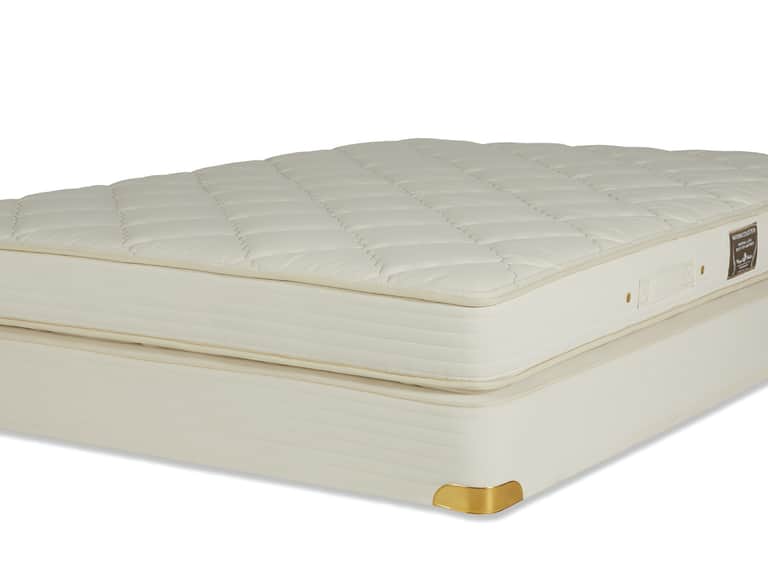
One example product line that embodies this approach is a Royal-Pedic model featuring all-natural Dunlop latex cores, chemical-free French wool, and premium long-staple cotton components. While this specific example sits outside the Obasan/Naturepedic pair in brand lineage, the underlying principles resonate: a latex core for durability and support, wool as a natural flame barrier and moisture regulator, and cotton-based fabrics for breathability. Such configurations illustrate how a non-toxic philosophy translates into layered construction and a commitment to minimizing synthetic additives.
When evaluating any mattress, readers should consider the fit with their sleep style, budget, and home environment. A well-constructed organic mattress is not merely a surface to lie upon; it is a carefully designed system that interacts with temperature, humidity, and the human body over the course of many years.
A practical decision framework for Obasan vs Naturepedic
If you arrive at a crossroads between Obasan and Naturepedic, use the following practical framework to guide your choice:
- Material philosophy: Do you prefer a heavier emphasis on natural fibers and handcrafting (Obasan) or a holistic approach to certified organic materials across layers (Naturepedic)?
- Certifications alignment: Ensure the model you consider carries a cohesive set of certifications that cover fabrics and inners, aligning with your safety expectations.
- Temperature and comfort: Consider how surface temperature and breathability interact with your climate and bedding setup.
- Care and maintenance: Examine the care requirements for organic materials and natural fibers, and plan for long-term upkeep.
- Budget and value: Weigh the price against material purity, warranty, and expected lifespan to assess value over time.
The decision is rarely binary. Some sleepers may find value in a hybrid approach, selecting a model that marries the healthiest organic fabrics with a core that offers reliable support and durability. The key is to read product specifics carefully, verify certifications, and choose a model whose performance aligns with your sleep requirements.
Glossary and resources for informed readers
To empower readers who are new to the world of non-toxic mattresses, here is a quick glossary and a resource starter:
- Latex (Dunlop and Talalay): Natural latex used in cores and overlays, offering resilience and durability.
- Organic cotton and wool: Fibers and fabrics grown and processed without synthetic chemicals, often certified by GOTS or similar bodies.
- VOC (Volatile Organic Compounds): Emissions related to off-gassing; many non-toxic products aim to minimize these.
- Flame retardants: Chemicals historically used in foams and fabrics; non-toxic brands often seek to avoid or replace with natural flame barriers like wool.
- Encasements and protectors: Essential components that can complement organic mattresses by offering barrier protection without compromising breathability.
Readers are encouraged to consult official certification bodies and the brands’ own documentation for model-specific details. A careful comparison of material lists, warranty terms, and test results yields a well-grounded decision.
Conclusion: a measured path to safe sleep
The Obasan vs Naturepedic comparison encapsulates a broader truth about non-toxic organic mattresses: safety and comfort can coexist with durable design and transparent sourcing. The care taken in material selection, the explicit commitment to important certifications, and the thoughtful engineering of each model illuminate a path toward healthier sleep environments.
For readers seeking practical guidance, the approach is simple: identify your priorities, scrutinize the certification portfolio, and weigh the long-term value of material purity against your budget. In the quiet of the night, a well-chosen organic mattress becomes more than a place to rest; it is a stewardship of health and well-being that endures.
Notes on the site’s product availability
This article references a range of non-toxic mattresses, including lines that feature natural latex cores and organic fiber covers. When a product line matches the non-toxic criteria described, it is discussed in terms of materials, certifications, and practical use. Should you encounter a specific model, review its inners, fabrics, and tested emissions to determine suitability for your needs.
References and further reading
For readers who wish to dive deeper into the science and standards behind non-toxic sleep, consider:
- Certification bodies and standards organizations (GOTS, OEKO-TEX, CertiPUR-US, GREENGUARD Gold) and their official guidance.
- Academic and regulatory literature on indoor air quality, VOC emissions, and long-term exposure to flame retardants in consumer products.
- Industry reports and independent reviews comparing organic mattress brands and their materials.
Related content and ongoing exploration
If you’re exploring this topic further, the article you’re reading now can serve as a foundation for additional guides, such as buying guides for baby and toddler sleep safety, deep dives into specific certifications, or buyer’s checklists that translate lab reports into consumer-friendly insights.
Product note
The site lists available products that align with the non-toxic philosophy described, including models featuring all-natural latex cores, organic cotton fabrics, and wool components. When mentioning products, only include those that genuinely fit the article’s topic and link to the brand’s official product page.
Example offering: Royal-Pedic Natural Latex Quilt-top Mattress with German Stretch Knit ticking, featuring a natural latex core, French wool surrounds, and organic cotton components. This model illustrates the integration of natural materials and careful craftsmanship central to non-toxic sleep ideals. While not a direct Obasan or Naturepedic model, it serves as a reference point for the broader category of high-integrity organic mattresses.